

Moderator: Kristen Welker
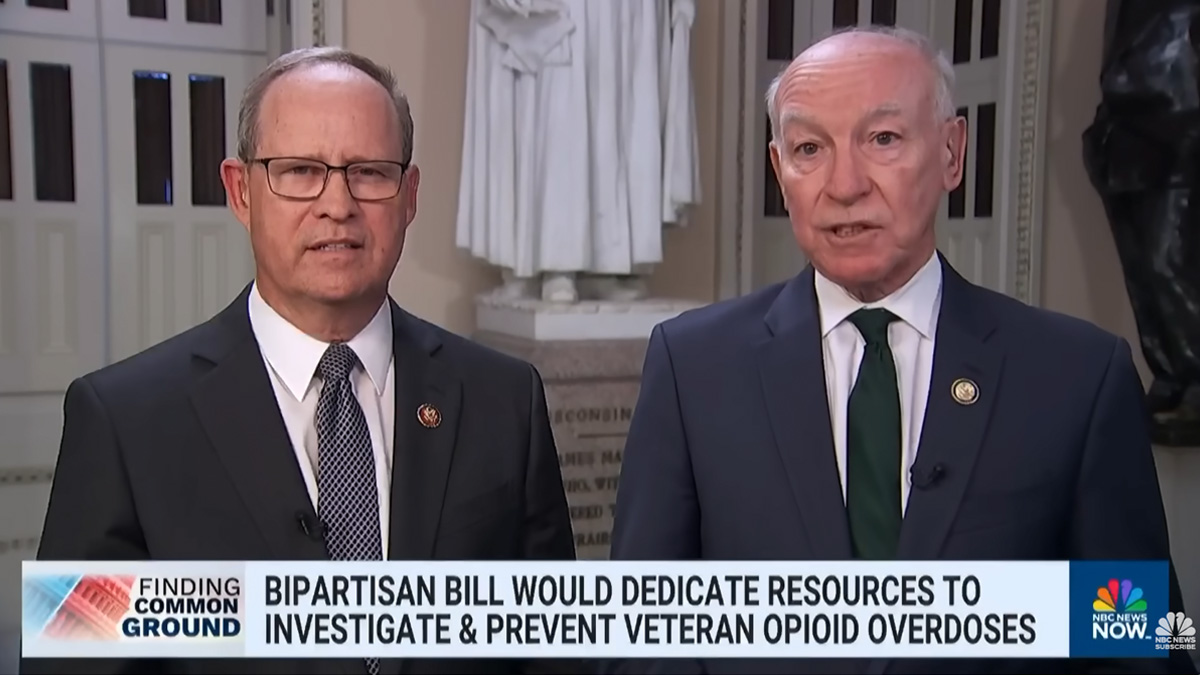
Rep. Joe Courtney (D-Conn.) and Rep. Greg Murphy (R-N.C.) join Meet the Press NOW to discuss their bipartisan legislation addressing the opioid epidemic among veterans and the process of working across the aisle in Congress. The video emphasizes that this issue “transcends party identification” — meaning it’s treated not as a partisan fight, but as a shared, pressing public health concern.
Key Takeaways:
- Veteran-Focused Legislation: The discussion centers on Congress members working together on legislation specifically aimed at addressing opioid addiction and related overdoses within the veteran community.
- HOPE Act Introduction: Courtney and Murphy reintroduced the Veteran Heroin Overdose Prevention (HOPE) Act, a bipartisan bill focused on studying and responding to veteran opioid overdose deaths.
- Reviewing Overdose Data: The HOPE Act would direct the VA to conduct a review of veteran deaths from opioid overdoses and non-prescribed substance use, to identify contributing risk factors.
- Prevention and Support: The congressmen argue that better understanding the causes behind veteran overdose deaths can help shape more effective prevention strategies and support services.
- Veterans at Higher Risk: Veterans face unique risk factors for opioid misuse, including physical pain, service-related injuries, and mental health challenges (a theme that underpins the need for targeted policy).
- Non-Opioid Pain Management Push: There are related bipartisan efforts, such as the NOPAIN for Veterans Act, that aim to expand veterans’ access to non-opioid pain treatments to prevent addiction in the first place.
- Public Health Emphasis: The discussion frames opioid addiction not as a criminal justice problem but as a pressing public health issue requiring compassionate, evidence-driven solutions.
- Impact on Families: Through personal stories, data, and advocacy, the discussion underscores the real human cost of the opioid epidemic on veterans and their families—making the case for urgent congressional action.
Why It Matters:
- It sheds light on how addiction disproportionately affects veterans, a group often overlooked in public discourse.
- It demonstrates that despite political divides, some issues — especially those involving public health and veterans’ welfare — can unite lawmakers.
- It may serve as a call to action: encouraging public support, policy change, and greater resources for treatment and prevention.
In the end, the discussion makes clear that addressing the opioid epidemic among veterans is not a partisan issue but a moral imperative. By centering on the lived experiences of veterans and committing to data-driven, compassionate solutions, bipartisan lawmakers show how collaboration can lead to meaningful action. The message is simple and urgent: when political differences are set aside, real progress is possible—and veterans’ lives depend on it.