

By: Liz Goodwin and Rachel Siegel
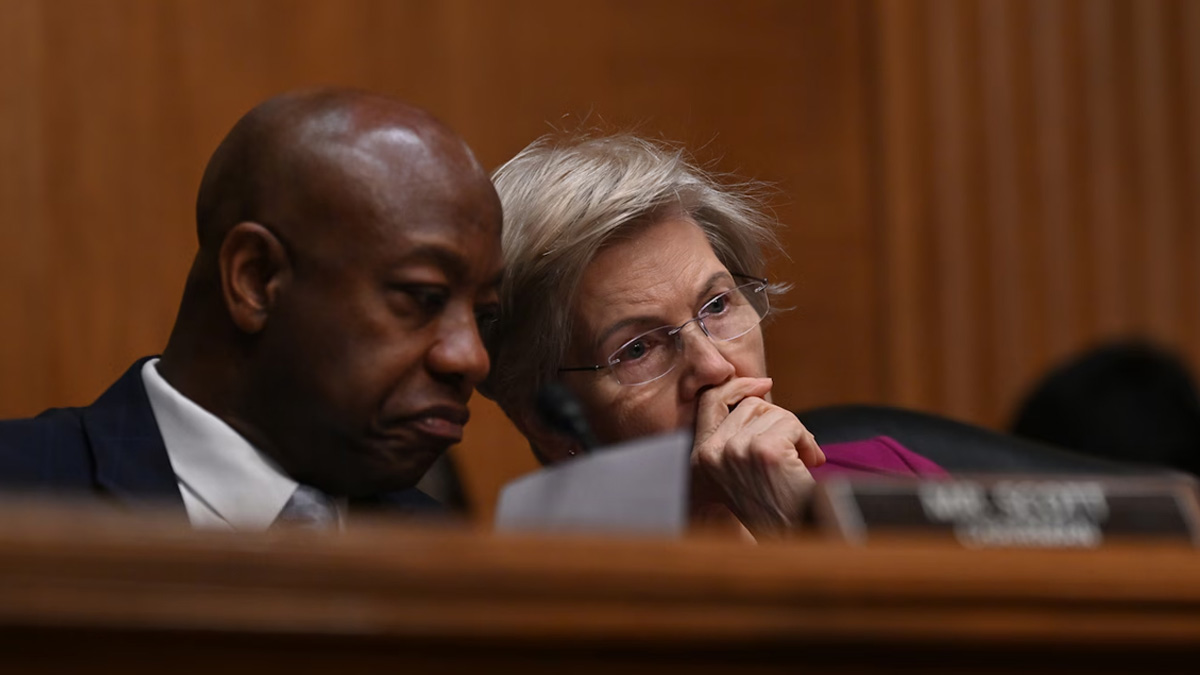
In a rare moment of bipartisan cooperation, Senators Tim Scott (R-SC) and Elizabeth Warren (D-MA) jointly led the Senate Banking Committee in passing the Road to Housing Act. The Washington Post The measure passed the committee unanimously—an unusual outcome in today’s divided Congress—and is being hailed as the most significant housing legislation in over a decade.
Key features of the bill include:
- Regulatory reform & modular housing: The legislation updates the federal definition of “manufactured housing” to include modular and prefabricated units (not built on a chassis), lowering costs and encouraging more flexible construction.
- $1B Innovation Fund: Warren’s priority, this fund would award $200 million annually for five years to jurisdictions that build more housing or improve infrastructure (roads, sewer, etc.).
- Expand & preserve affordable housing: The bill reauthorizes a federal block grant for states/localities, allows public housing authorities to convert more units to project-based rental assistance, supports development in Opportunity Zones, establishes a pilot for home repairs, bolsters rural housing, and streamlines pre-approved housing designs.
- Tie funding to local building performance: Some federal aid would be conditioned on cities’ track records in housing development—encouraging pro-building policies at the local level.
Context & challenges:
Scott and Warren began working together early in the year, engaging each Banking Committee member in drafting the bill so that each could “sign onto at least one piece.” Their approach brought in diverse voices—from conservatives wary of overregulation to progressive advocates for affordable housing.
However, the article cautions that the bill—in its current form—may not fully counterbalance proposed federal cuts to programs supporting lower-income Americans, especially rental assistance. The Washington Post notes that the White House’s budget plan includes reductions in housing aid and caps on some program durations, which could undermine the legislation’s impact in some areas.